
 By
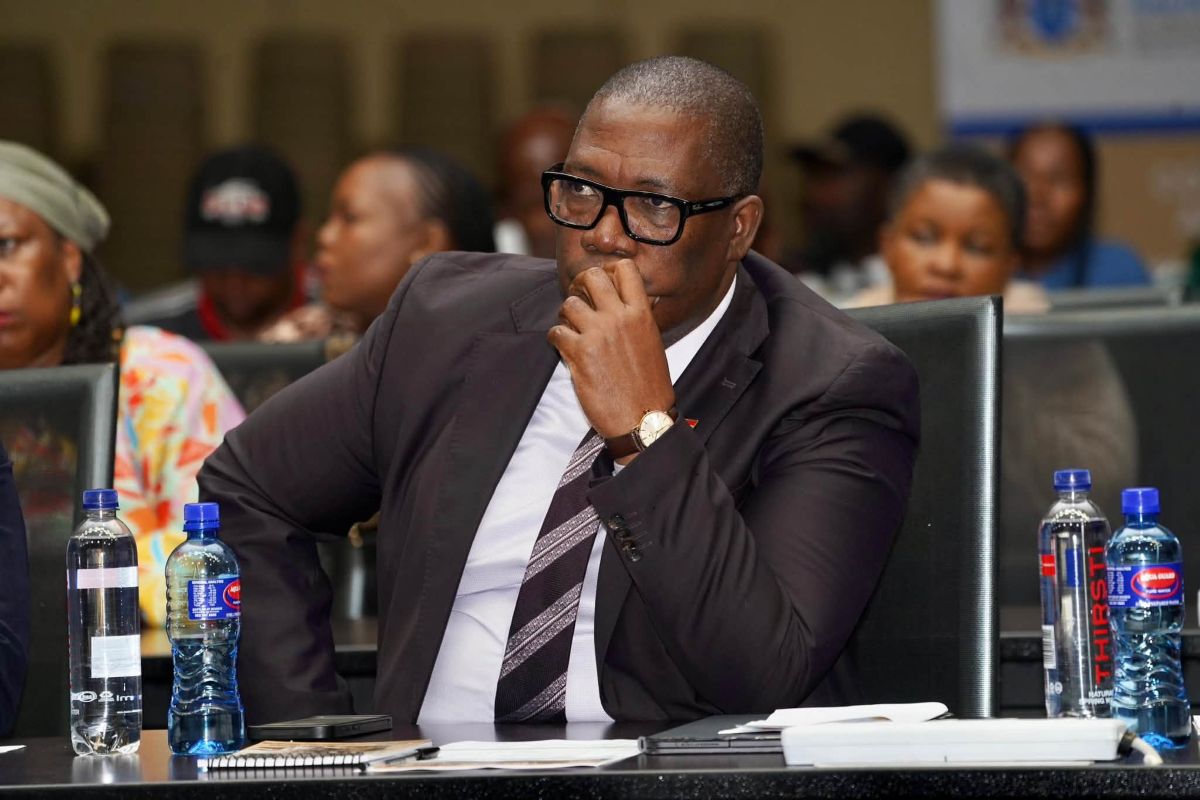
By The Gauteng Provincial Government is facing intense scrutiny following the release of a damning forensic investigation into the management of property leases. Premier Panyaza Lesufi revealed that the investigation uncovered a staggering R558,079,624.71 in irregular expenditure, casting a harsh spotlight on systemic administrative failures and prolonged delays in public infrastructure delivery.

The Core of the Crisis
The controversy surrounding the Kopanong Precinct Project initially erupted over mounting concerns regarding fruitless and wasteful expenditure. At the heart of the issue was a deeply flawed operational paradox: the provincial government continued to lease privately owned buildings to accommodate nine separate provincial departments, while numerous state-owned buildings sat vacant.
Prompted by these allegations, Premier Lesufi ordered a comprehensive forensic investigation. The finalized findings exposed a litany of compliance breakdowns and procedural violations within the Department of Infrastructure Development and related entities.
Key Findings of the Investigation
The forensic report highlights severe vulnerabilities across procurement and contract administration:
- Procurement Breakdown: The investigation identified a total absence of proper competitive procurement procedures or legally approved deviation processes for the leases.
- Flawed Contract Management: Chronic weak oversight defined the administration of these agreements, characterized by automatic lease renewals and an over-reliance on repeated month-to-month extensions.
- Regulatory Non-Compliance: There was a systemic failure to comply with mandated statutory approval processes required for contract extensions and interim agreements.
- Massive Financial Irregularities: These accumulated lapses directly resulted in R558,079,624.71 classified as irregular expenditure.
Strategic Failures and the Kopanong Project Delay
Beyond immediate financial mismanagement, the report links the leasing crisis directly to structural delays plaguing the Kopanong Precinct Project. Originally envisioned to centralize provincial departments and curb the heavy reliance on private landlords, delays in the project’s execution forced the government into prolonged, costly private sector lease arrangements.
Economists and governance watchdogs have long argued that such inefficiencies divert critical capital away from public service delivery and infrastructural development, straining the provincial fiscus.
Path Forward and Accountability
In response to the findings, Premier Lesufi has adopted a firm stance, assuring the public that the report’s directives will not be ignored.
“I have noted the findings of the report and will ensure that all its recommendations are implemented as a matter of priority,” Premier Lesufi stated. “We remain committed to strengthening governance, improving accountability, and ensuring that public resources are managed efficiently and in the best interests of the people of Gauteng.”
A primary directive of the forensic report is for the Department of Infrastructure Development to fundamentally reassess its current leasing strategy. Moving forward, the provincial government must accelerate the completion of state-owned accommodation hubs like the Kopanong Precinct to eliminate dependency on private rentals, seal revenue leaks, and restore public trust in financial governance.