 By
Introduction: A Promise on Facebook That Turned into a Nightmare
For 24-year-old Sihle*, what began as a mother’s desperate quest for a sustainable future ended in an unimaginable cycle of transnational exploitation. Enticed by the glossy, curated promises of a better life splashed across Facebook in early 2025, Sihle reached out to a close family friend for help finding employment overseas.
That single message set off a harrowing multi-country ordeal that exposed the dark underbelly of digital-age human trafficking—a web where modern slavery intersects with forced cyber criminality.
Last Friday, Sihle finally touched down on home soil, welcomed by the Gauteng Department of Social Development at OR Tambo International Airport following her safe repatriation from Southeast Asia.
But behind the relief of her homecoming lies a chilling cautionary tale about how online deception and fraudulent job recruitment are trapping vulnerable young Africans thousands of miles away from home.

The Descent: Sold Across Borders into Cyber-Scam Compounds
Sihle’s journey into exploitation started on March 31, 2025, after her family friend conveniently claimed that the company she worked for was hiring. Trusting this connection, Sihle packed her bags and left for Thailand.
Instead of legitimate employment, she encountered a horrifying reality of human trafficking. Upon arriving in Thailand, Sihle was sold and transported to Myanmar. From there, she was resold and transferred to Cambodia, and finally moved to Malaysia. Across these jurisdictions, she was trapped in scam call centres, where she was subjected to severe exploitation and forced criminality.
The geographic trajectory of Sihle’s abuse highlights the organized, fluid nature of transnational syndicates operating across Southeast Asia. These networks routinely exploit job seekers—particularly young parents striving to provide for their dependents—by forcing them into digital scams under threat of violence and isolation.
Leaving behind her young son, who is currently being cared for by her aunt in Mpumalanga, Sihle endured months of systemic abuse before finding a lifeline.
The Escape and the Long Road to Recovery
Refusing to surrender to her circumstances, Sihle orchestrated her own escape by reaching out to the International Organization for Migration (IOM) and the South African Embassy in Malaysia. Through their coordinated interventions, arrangements were finally made for her safe return to South Africa.
Yet, as gender-based violence and human trafficking experts frequently emphasize, physical repatriation is only the first step of a long and complex healing process. Upon her return, Sihle immediately appealed to the Gauteng Department of Social Development for critical intervention.
“I would like the Department of Social Development to assist me with counselling and support to reintegrate with my family and community,” Sihle shared following her arrival.
In response, the Gauteng Department of Social Development has committed to collaborating closely with its counterpart in Mpumalanga to ensure Sihle receives comprehensive psychosocial support. This care is vital for her emotional recovery, family reunification, and reintegration back into society.
A Systemic Scourge: “Trapped Behind the Scam”
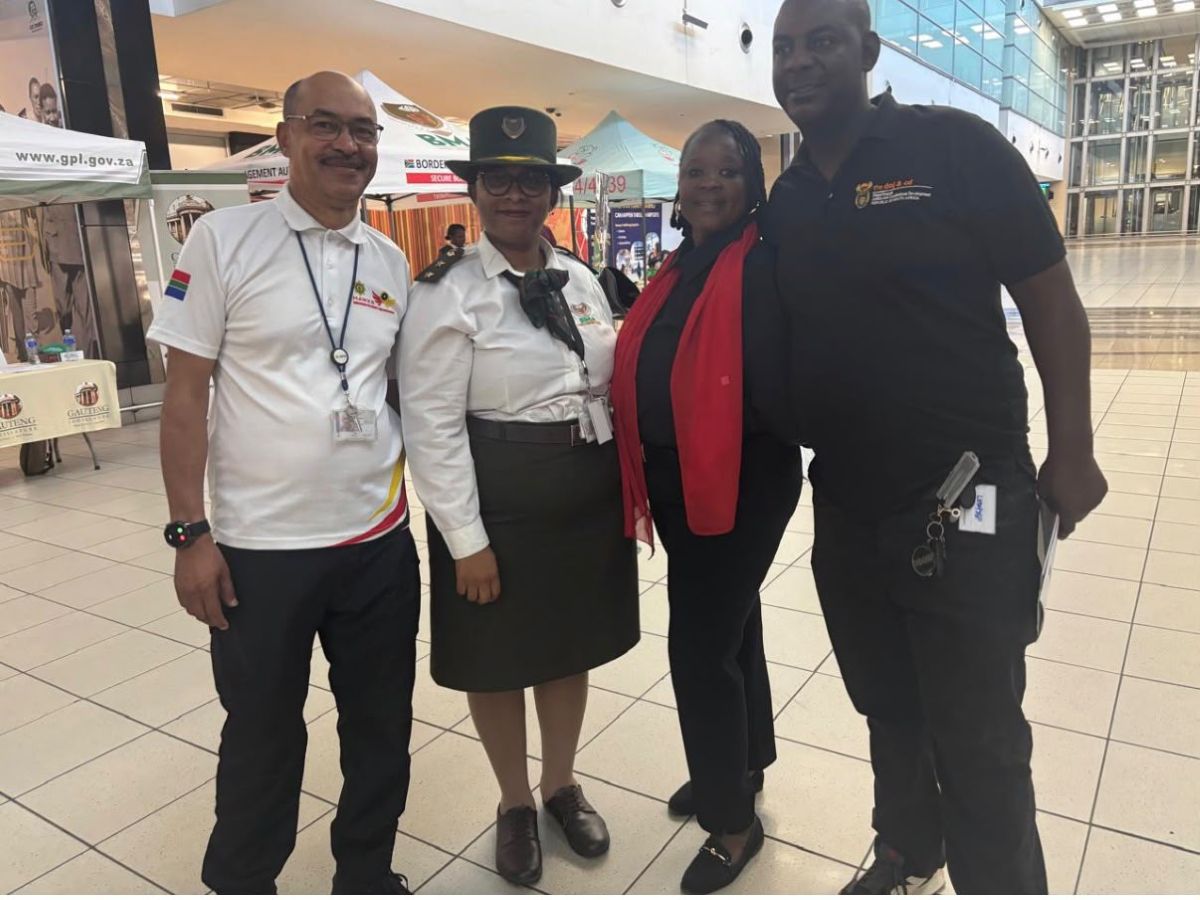
Sihle’s homecoming coincided with a high-profile Human Trafficking Awareness campaign at OR Tambo International Airport, spearheaded by the Gauteng Department of Social Development in partnership with other government departments, Non-Profit Organisations (NPOs), and Airports Company South Africa (ACSA).
Held under the poignant theme “Trapped Behind the Scam,” the campaign targeted travellers and airport personnel to shed light on how deceptive online job advertisements lure unsuspecting victims into exploitative foreign environments.
Coming at the tail end of Human Trafficking Awareness Month, the initiative emphasized the critical need for multi-sectoral collaboration between civil society, law enforcement, and border authorities to intercept traffickers and rescue victims.
Government and Civil Society Call for Vigilance
Authorities are urgently warning the public—especially young people desperate for economic opportunities—to exercise extreme caution when navigating job offers on social media and online platforms.
The Gauteng Department of Social Development has urged prospective job seekers to rigorously verify the legitimacy of recruitment agencies, employment contracts, and travel arrangements before committing to any overseas employment. Furthermore, communities are urged to remain vigilant and report any suspected cases of human trafficking to the relevant authorities immediately.
As Sihle begins the delicate process of healing and reconnecting with her young son in Mpumalanga, her story stands as both a stark warning of the dangers lurking behind social media screens and a testament to the resilience of human trafficking survivors.