 By
JOHANNESBURG — In an effort to harmonize cultural heritage with child protection, the Gauteng Department of Social Development has reinforced its collaboration with traditional leaders and cultural practitioners.
The initiative aims to guarantee that the preservation of African traditions aligns seamlessly with the safeguarding of children’s rights and dignity.
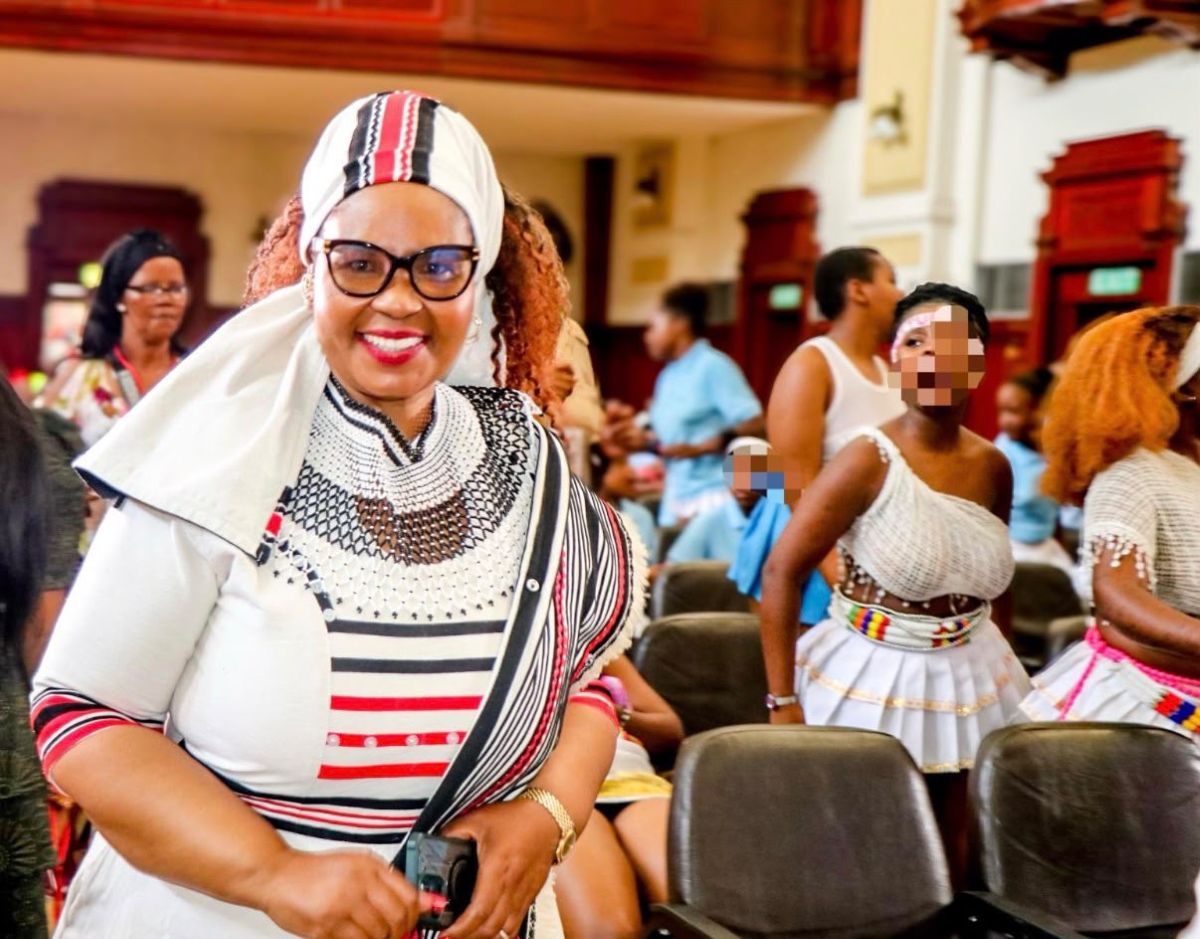
The announcement was made during a high-level dialogue held at the Johannesburg City Hall on Sunday. The gathering brought together traditional leaders, Amatshitshi (maidens), and Onomehlo (caregivers), led by Gauteng MEC for Social Development, Nomantu Nkomo-Ralehoko.
Addressing attendees, MEC Nkomo-Ralehoko stressed that expressing pride in African heritage and identity should never come at the expense of minor safety.
“As Africans, we must never be apologetic about practising our culture. Our traditions are an important part of our identity, social organisation and values… However, culture must also respond to changing times without compromising the rights and dignity of children,” said Nkomo-Ralehoko.
While acknowledging that certain cultural practices offer positive guidance—such as assisting in the prevention of teenage pregnancy—the MEC maintained a firm stance that no tradition can supersede the legal protections afforded to minors. She pointed to the Children’s Act 38 of 2005, highlighting that Section 12 explicitly protects children from harmful social, cultural, and religious practices.
The dialogue focused heavily on bridging the gap between state responsibilities and cultural heritage promotion. Gugu Shezi, the Nomkhulwane Gauteng Chairperson, noted that approximately 11,000 children in the province participate in Amatshitshi groups.
While rooted in Zulu culture, the practice has expanded to embrace diverse backgrounds across Gauteng, which currently boasts a larger population of maidens than KwaZulu-Natal. Shezi detailed that these groups cater to girls aged eight to 16, with virginity testing restricted to participants starting at age 16.
To ensure lasting collaboration, MEC Nkomo-Ralehoko announced the creation of a specialized working group consisting of traditional leaders, Onomehlo, and relevant government sectors.
This platform is designed to maintain ongoing communication and establish actionable frameworks ensuring cultural activities respect youth well-being. Additionally, social workers will be integrated to monitor organizations and provide vital support to protect the safety and dignity of the children involved.